Long-Term Wealth Building Strategies Used by Smart Investors
Wiki Article
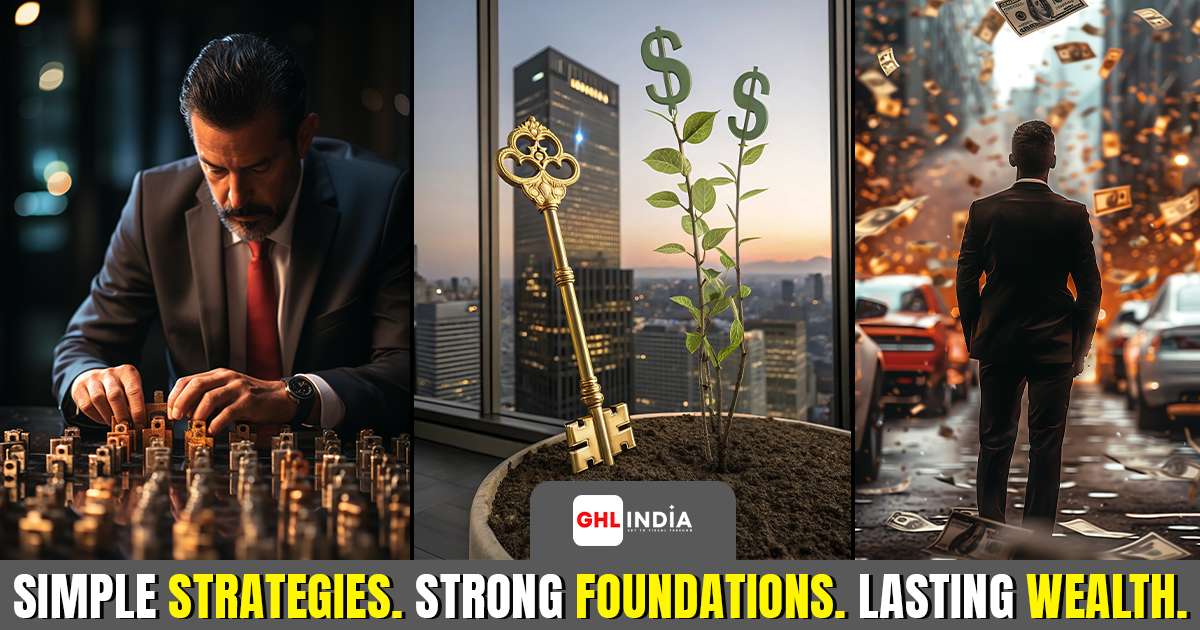
Building long-term wealth is not about quick wins or following trends. Investors who succeed over time focus on discipline, security, and clarity. They care less about excitement and more about whether their money can stay secure and productive for years.
True wealth is built slowly - but with intention.
Simplicity Beats Complexity
Many investors believe complex strategies lead to better results. In reality, complexity often hides risk.
Strong wealth-building strategies are usually easy to understand:
• You know how returns are generated
• You understand what could go wrong
• You can explain the investment in plain words
If an investment is difficult to explain, it is often difficult to control.
The Psychology of Long-Term Investing
One of the biggest challenges in investing is not markets - it is human behavior.
Fear and greed drive most poor decisions. Investors tend to buy when assets feel safe and sell when uncertainty rises, often doing the opposite of what long-term success requires. Smart investors design systems that reduce emotional decision-making.
They rely on:
• Rules instead of reactions
• Process instead of prediction
• Patience instead of impulse
By limiting emotional interference, capital is allowed to compound quietly over time.
The Margin of Safety Mindset
A core financial principle used by experienced investors is the margin of safety - building room for error into every decision.
This means:
• Buying assets with downside protection
• Avoiding over-optimistic assumptions
• Planning for delays, cost overruns, or market slowdowns
Wealth is protected not by being right all the time, but by ensuring mistakes are survivable.
The Role of Real Assets in a Balanced Strategy
Financial markets change quickly, but real-world needs change slowly. Housing, workspaces, logistics, and infrastructure continue to matter regardless of market cycles.
This is why many investors include real assets as part of a balanced long-term strategy. These assets:
• Serve ongoing human or business needs
• Tend to be less sensitive to short-term market noise
• Can be adjusted as demand evolves
They act as a stabilizing force within a broader portfolio.
Value Is Built Through Execution
Waiting for prices to rise is passive. Creating value is intentional.
This is where GHL India Asset serves as a practical example. Rather than chasing trending or overpriced properties, the focus is on identifying assets with untapped potential.
Through careful planning, operational improvements, and smart repositioning, value is created through action - not assumptions. Returns come from execution and management, not speculation.
Time as the Most Powerful Asset
Time rewards consistency, not brilliance.
Investors who respect time understand that compounding works best when capital is protected and allowed to grow without interruption. Avoiding major losses matters more than capturing every opportunity.
The real advantage comes from staying invested, staying disciplined, and letting time do the heavy lifting.
Report this wiki page